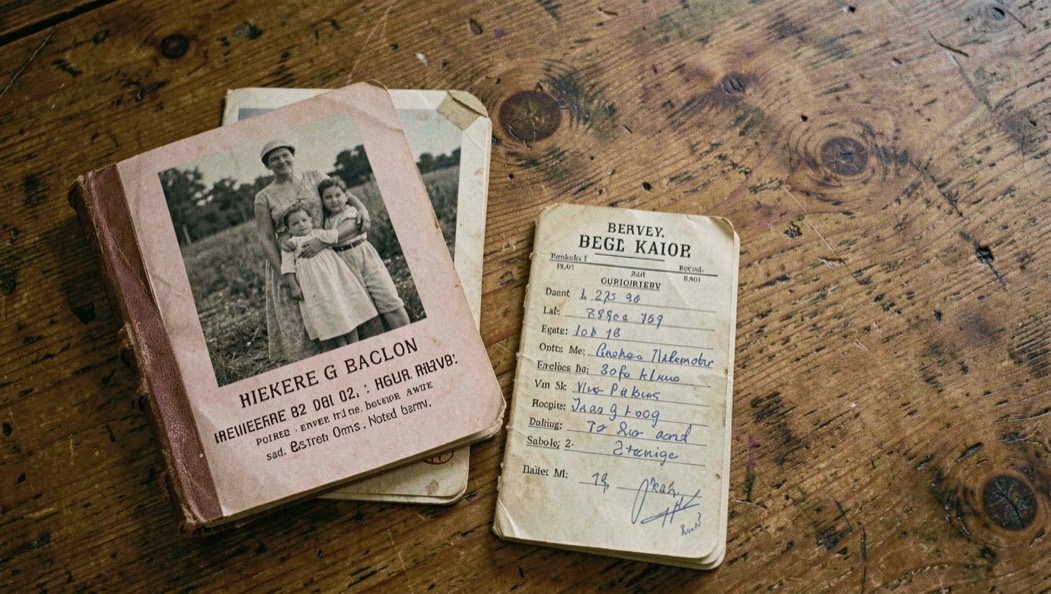
This dossier is a compact route through the site. Begin with the memorial as an object, move to the service record as a fragment of a life, then look at the home front records that show what the town was doing around both.
The order matters because each source answers a different kind of question. A carved name can establish public wording; a service paper can place a person in an administrative sequence; a household or committee record can show the practical setting around both.
- Compare the memorial route for materials, wording and ceremony.
- Follow soldiers' stories through movement, work and pensions.
- Read the home front through food, hospitals and committees.
- Test the method against maps, newspapers and family accounts.
Each step keeps the source visible, marks the boundary between record and inference, and gives the reader a next question to ask.