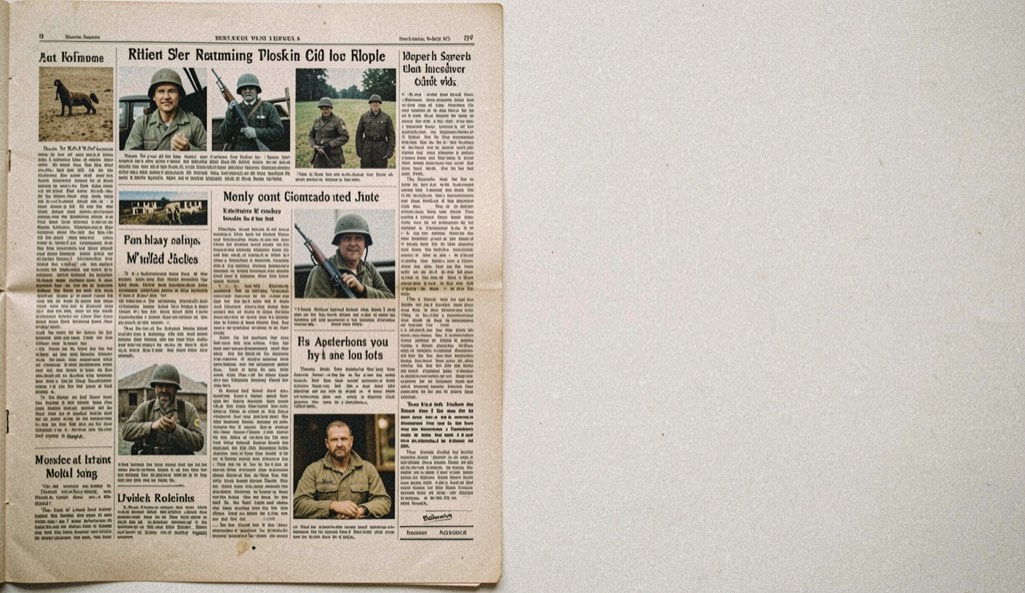
Reading wartime newspapers critically
Wartime newspapers preserved local detail but followed censorship and civic expectation. This guide tests reports against other records.
Read the articleA careful method
Good local history is a chain of decisions. These notes show where a record came from, what it can support and where a careful reader should stop.
Newest first
Every piece links the visible memorial world to a record, a choice or a method.
Wartime newspapers preserved local detail but followed censorship and civic expectation. This guide tests reports against other records.
Read the article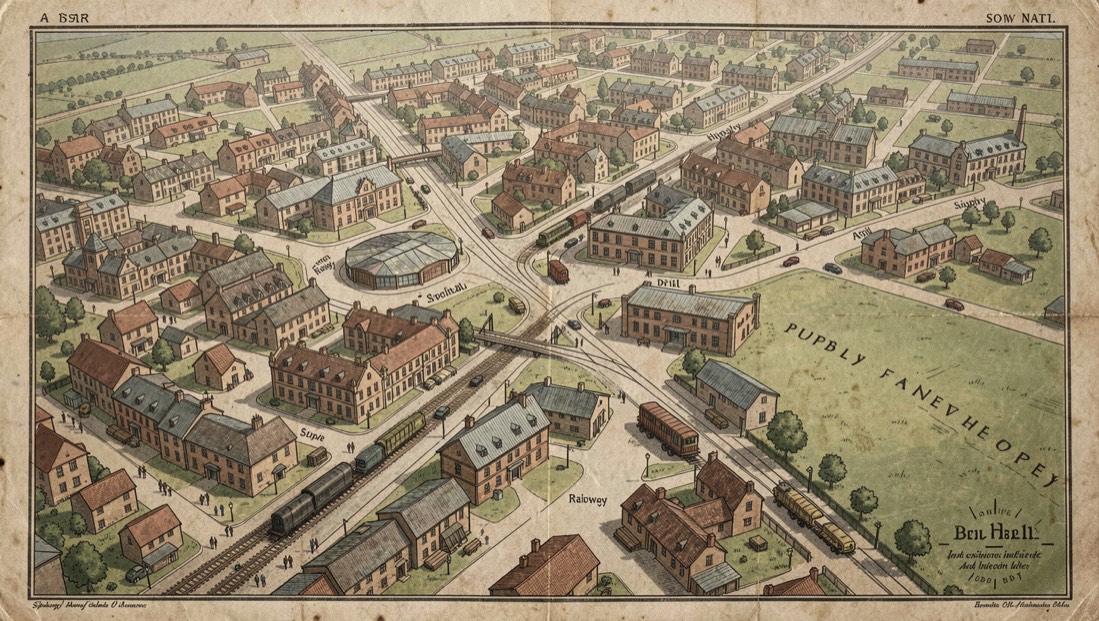
Ordnance Survey sheets, plans and photographs help locate hospitals, drill halls, supply depots and changed street patterns.
Read the article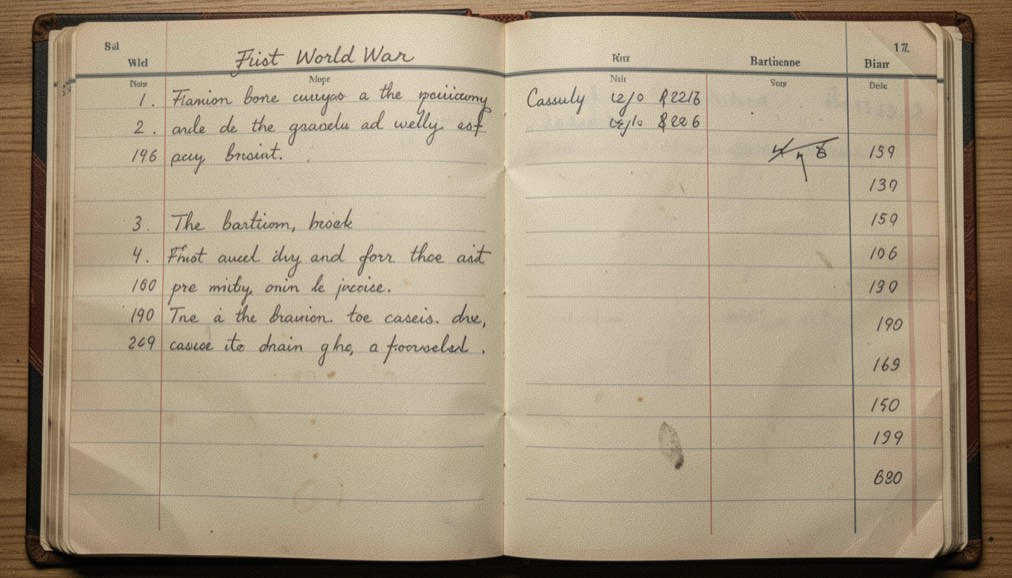
Battalion diaries record movement, casualties and routine. This method uses them to set soldiers’ stories without inventing emotion.
Read the article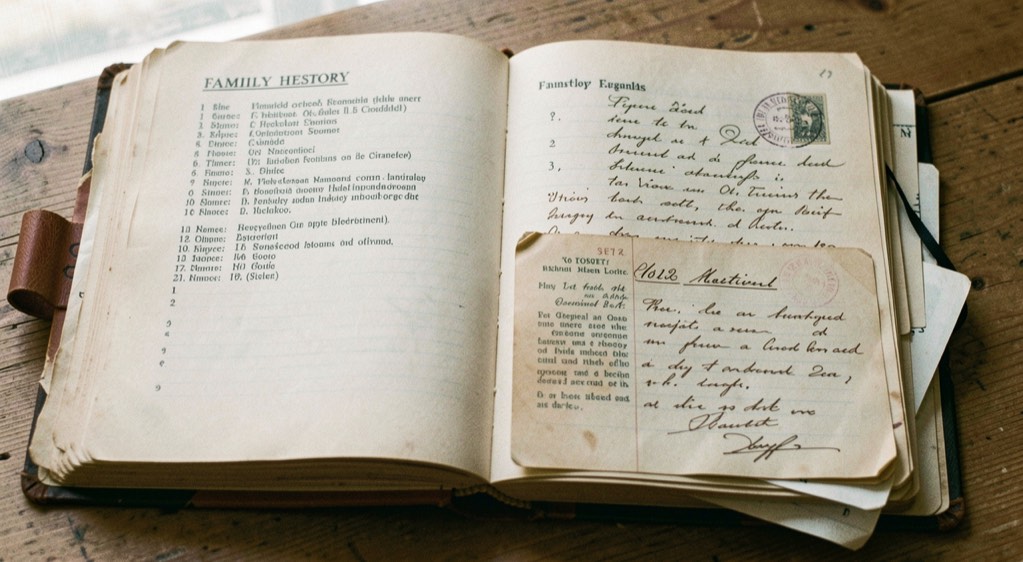
Family stories can point to useful records, but they need transparent citation and clear labels for probability and proof.
Read the article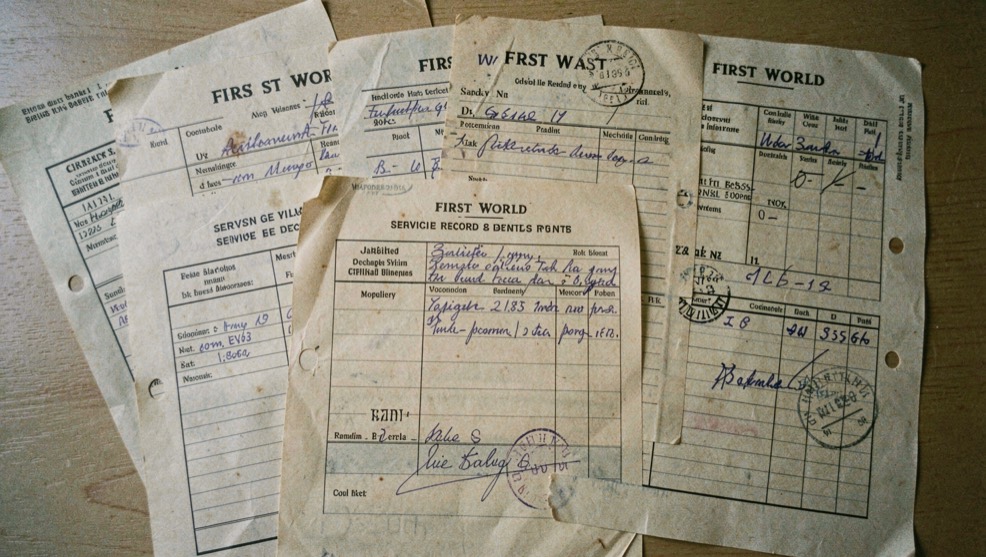
A practical method for reading First World War service records, including abbreviations, gaps, transfers and medical boards.
Read the article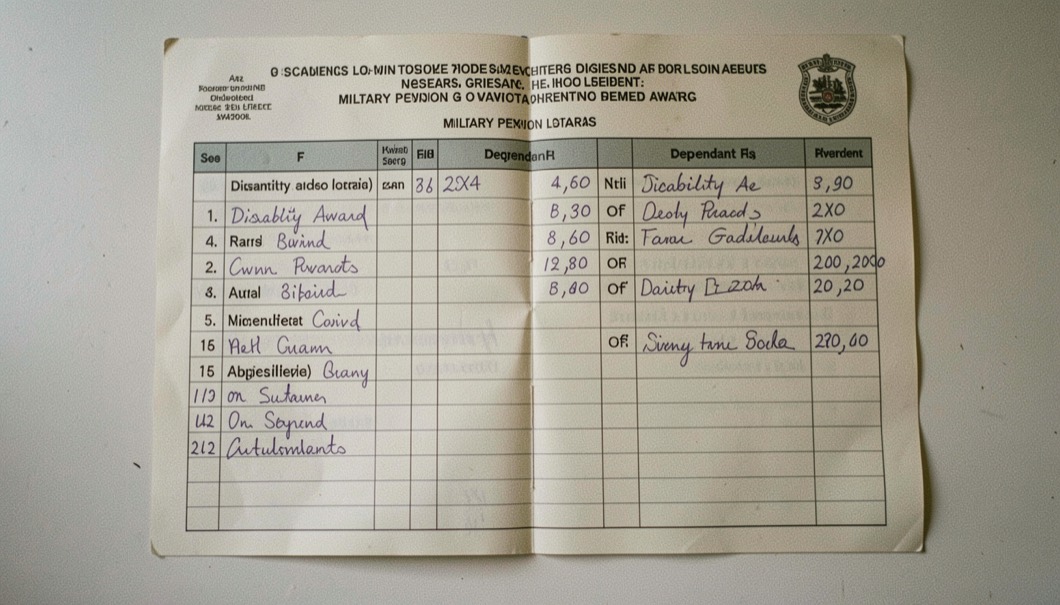
Pension ledgers record disability, dependants and appeals, making them essential for reading war’s effects after discharge.
Read the article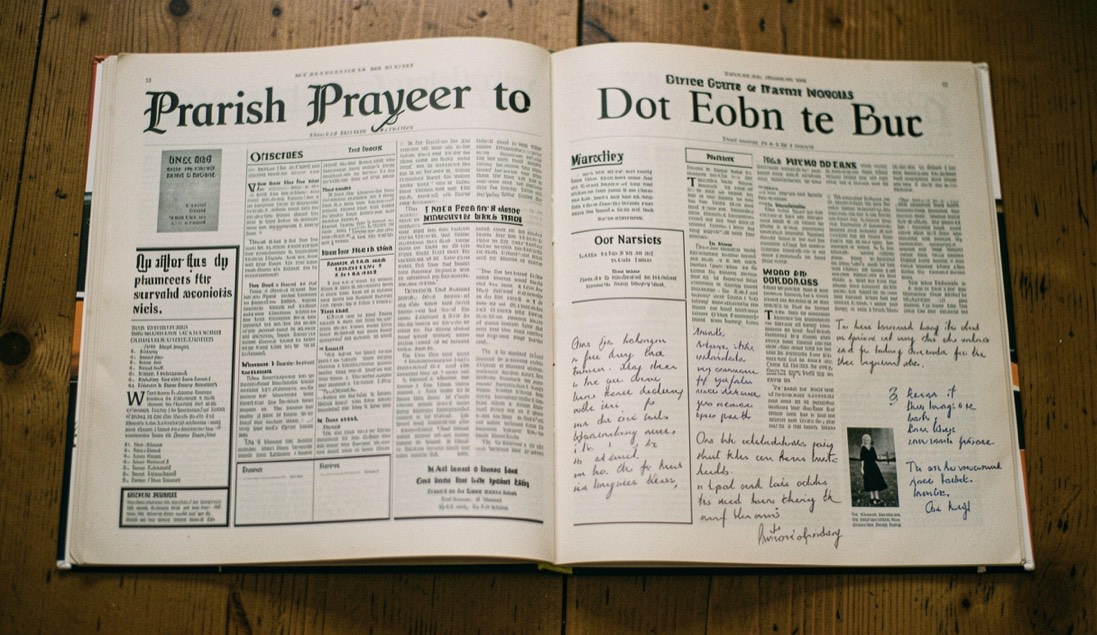
Parish magazines mixed prayer lists, recruiting notices and domestic advice. Their value lies in distinguishing pastoral care from official messaging.
Read the article