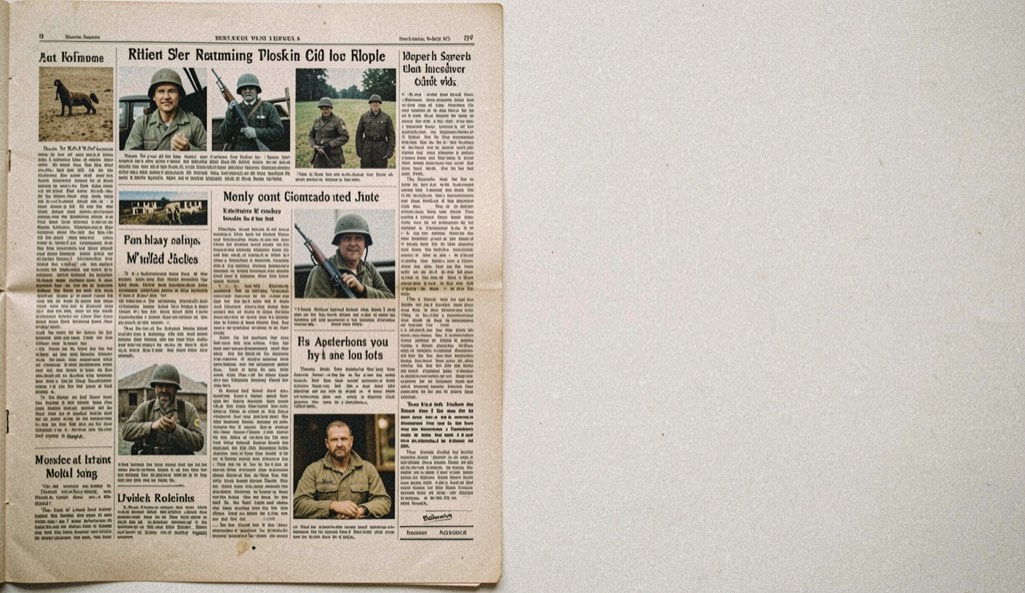
Ask why it appeared
A report praising a soldier’s cheerfulness may preserve a real detail, but it also reassured readers. Before using it as fact, ask who supplied the story and what the paper needed to publish that week.
Names, addresses and dates are often reliable because they came from local networks. Emotional interpretation is less secure.
Comparison method
Check casualty notices against service records, memorial dates and parish magazines. Look for repeated wording across weeks; recycled text may indicate limited information.
Adverts as context
Advertisements for invalid food, boots or mourning cards show the economy around war reporting. They also explain why some pages celebrated thrift.
Where to look next
The service record guide supplies documentary control, while food complaints show the background to price stories.