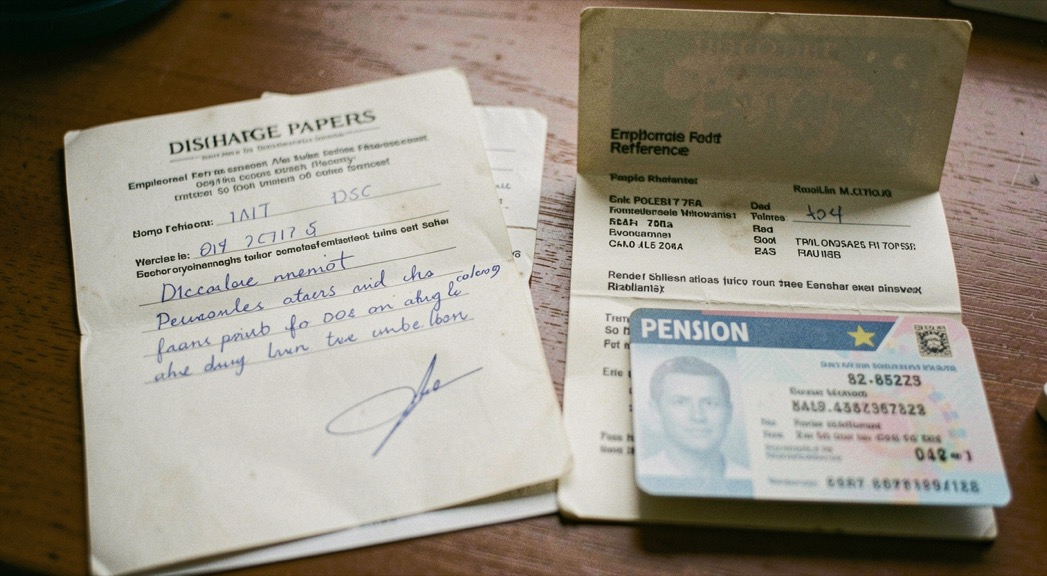
A certificate opens a door
One man could lift sacks for an hour but not through a full day. His pension card described a twenty per cent impairment, a figure that meant little to employers until translated into hours and rest periods.
Local references mattered. A foreman who wrote “steady in bad weather” gave more practical information than a diagnosis. Employment often depended on such negotiated descriptions.
Appeals and adjustment
Men appealed when assessments ignored seasonal pain or loss of promotion. Boards adjusted awards inconsistently, partly because evidence depended on employers’ willingness to re-employ.
Family calculations
Households combined pensions, wages and informal work. A wife taking in washing could make a low award survivable, but that labour rarely appeared on official forms.
Where to look next
The clerk’s rolls show separation allowances before return, and food complaints show pressures on household budgets.