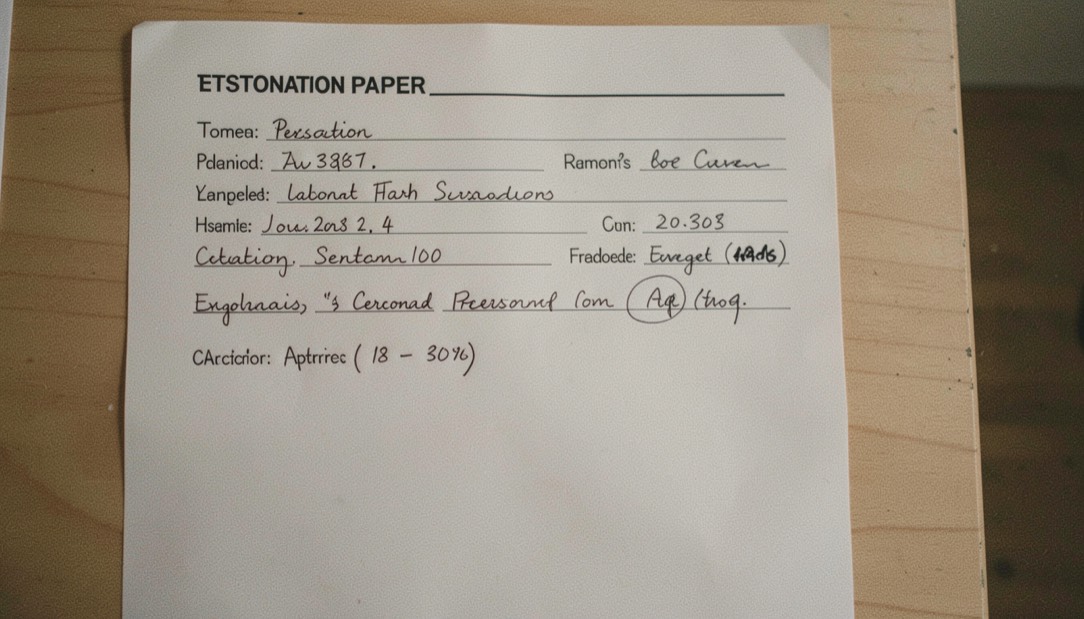
What the form says
He gave his age as nineteen. The medical form recorded height, chest measurement and physical condition but not documentary proof. A parent’s letter eventually produced a birth certificate, and discharge followed within weeks.
This was not simply deception. Recruitment pressure, family poverty and the wish to accompany friends shaped his decision.
Checks and failures
Recruiters used appearance and questioning, not systematic certificates. Boys who looked developed could pass, especially in busy depots.
Consequences
Discharge did not erase the record. Later enlistment required explanation, and family stories often preserved only the adventure, not the administrative aftermath.
Where to look next
The service record guide explains attestation forms, and family story notes show how to label uncertain memory.