Material as argument
The memorial’s stone was not chosen only for appearance. Committee members discussed weathering, transport and the need for clean lettering. A pale limestone offered dignity, but it also demanded careful joints to resist frost.
Invoices show carriage charges almost equal to cutting costs. Using a nearby quarry reduced expense and tied the monument visibly to local workmanship.
Lettering and weather
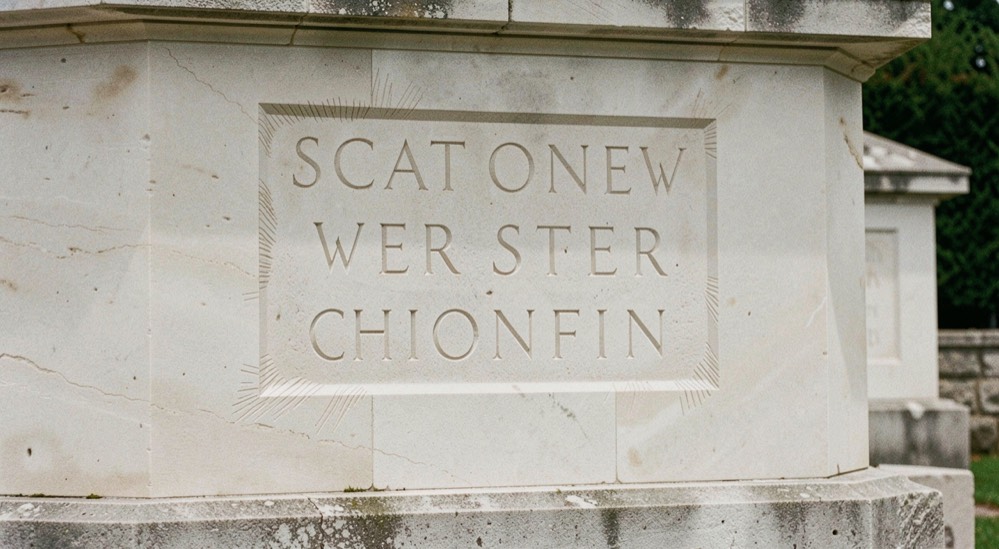
Deep V-cut letters shed water better than shallow incision. The designer widened spacing at exposed corners. Later lichen growth should be mapped before cleaning because it can record damp patterns.
Repair without erasure
Conservation reports recommended lime mortar and minimal repointing. Replacing too much stone would remove evidence of weathering and later additions.
Where to look next
The panel study identifies added names, while research notes explain how to compare maps and photographs.